What Can You Eat With Lingual Braces?
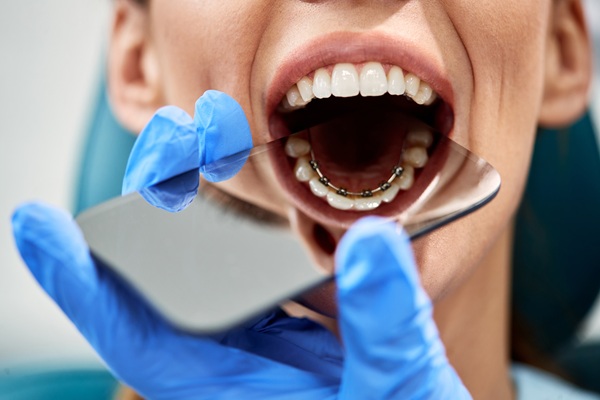
Lingual braces can straighten teeth discreetly by anchoring to the tongue-facing side of the dental arch. Due to their positioning, lingual braces can cause temporary changes in what a patient should and should not eat. However, with the right approach, lingual braces can fit into daily life without making eating feel overly restrictive. The key is to choose foods that are gentle on the braces and easy to chew while the mouth adapts.
How what you eat can affect lingual braces
Lingual braces sit on the back surfaces of the teeth rather than the front, making them a more discreet orthodontic option than traditional braces. Even so, they still rely on brackets and wires to move the teeth, so the mouth may feel sore at times. As a result, what a patient eats can greatly affect their comfort throughout treatment.
As with any type of braces, hard, sticky, and very crunchy foods can cause problems. These foods may bend a wire, loosen a bracket, or damage part of the appliance. If that happens, the braces may need repair, which can interrupt progress and extend treatment time.
Food choices also affect how easy it is to keep the teeth and braces clean. Lingual braces can trap food around the brackets and wires. This is particularly an issue when meals include sticky or fibrous foods. Choosing foods that are less likely to get caught in the braces can make oral hygiene easier and keep treatment on track.
For a faster, more comfortable treatment, here are an orthodontist’s basic guidelines for what to eat with lingual braces:
Soft foods are often the best starting point
When patients first get lingual braces, softer foods typically feel the most manageable. This does not mean the diet has to become dull or limited. It simply means that meals should be gentle on the teeth and braces while the mouth adjusts to the new appliance. Foods that require less pressure to bite and chew are preferred in those early days.
Common examples include yogurt, eggs, oatmeal, pasta, rice, soups, mashed vegetables, bananas, smoothies, soft fish, and tender cooked chicken. These foods can still provide variety and nutritional value without putting unnecessary stress on sore teeth. Right after getting braces, this soreness may last about one to two weeks. Fortunately, any soreness from having the braces tightened should only last a few days each time.
What foods to prioritize
With lingual braces, some foods are simply easier to eat than others. Examples of foods that often work well include:
- Soft fruits, cooked vegetables, pasta, rice, eggs, yogurt, and soups
- Tender meats, meatballs, seafood, casseroles, and soft breads
- Smooth nut butters, oatmeal, pancakes, and soft cheese
Lingual braces require a little more thought when planning meals, but they do not prevent patients from eating well. Eating the foods listed above, which are soft enough to chew comfortably and not likely to pull on the braces, can make meals easier to manage while still allowing for variety.
On eating everyday foods, with a few changes
Patients with lingual braces often ask whether they will need to avoid normal meals completely. Generally, the answer is no. Many everyday foods can still be eaten with some preparation and a little extra care. A sandwich may be easier to manage if made with soft bread and cut into smaller pieces. Raw vegetables may be more comfortable when lightly cooked. Fruits such as apples may work better when sliced thin rather than bitten into whole. These small adjustments help patients continue eating familiar foods while lowering the chance of damaging the braces.
Some foods are more likely to cause trouble
Even though many foods remain available, some should be avoided. As mentioned, extremely hard foods can put excessive pressure on the brackets and wires. Sticky foods can cling to the braces and make cleaning harder. Very crunchy foods can break into sharp pieces that irritate the mouth or damage the appliance. These concerns matter with lingual braces just as much as they do with traditional braces.
During treatment, an orthodontist will likely recommend staying away from foods such as:
- Hard candy
- Popcorn kernels
- Chewing gum
- Caramel
- Crusty bread
- Whole nuts
- Chips
Biting directly into firm foods, such as corn on the cob, can also be risky. Patients do not need to become anxious about every meal, but they should be aware that certain foods are simply harder on orthodontic hardware than others.
Ask an orthodontist about lingual braces
Are you interested in lingual braces? Find out what this orthodontic treatment can do for you. Contact us today for an appointment.
Request an appointment here: https://www.fullertonfamilyorthodontics.com or call Fullerton Orthodontics & Children's Dentistry at (714) 871-8445 for an appointment in our Fullerton office.
Check out what others are saying about our services on Yelp: Lingual Braces in Fullerton, CA.
Related Posts
Orthodontics takes commitment and patience on the part of the patient and their dentist. The process requires you to invest your time, mental energy, and money in the quest for an improved smile. The good news is that your investment can pay off in a big way. Your oral health can improve, your confidence can…
Orthodontics typically involves wearing oral appliances like braces or clear aligners in order to straighten teeth. These devices work by constantly pushing on the wearer’s teeth, moving them to more desirable positions over time. Teeth misalignment can lead to a less aesthetically pleasing smile and a variety of oral issues, like gum disease. Getting appropriate…
Treatment with orthodontics can typically take somewhere between 12 to 36 months, and many people would be happy to shorten that length. Orthodontics is used to address issues with a person’s teeth or jaw alignments, like a crossbite, underbite, or overbite. Oral appliances, like braces and clear aligners, are often used to push misaligned teeth…
Every person has unique reasons for seeking orthodontics. Some seek treatment to enhance the way that their smile looks, while others might want to address more serious issues, like not being able to speak properly due to teeth misalignment. Dentists often recommend orthodontics if they notice abnormalities like poor teeth alignment or a lack of…