Does a Palatal Expander Hurt?
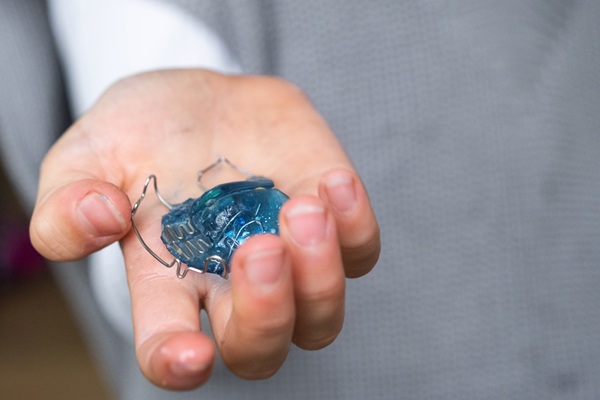
Does a palatal expander hurt? If your child needs orthodontic care, you likely worry about the potential discomfort associated with this common oral appliance. Understanding the process can provide peace of mind as the family begins this treatment.
How a palatal expander works
A palatal expander widens the upper jaw through the application of gentle pressure to the palatal bones. Orthodontists recommend this device for children and adolescents while their mouths are still developing. The appliance creates extra space for teeth, corrects bite alignment, and improves nasal airflow. Although the adjustment process causes the oral structures to move, the treatment does not cause severe pain.
What does a palatal expander feel like?
A patellar expander should feel a sensation of pressure rather than sharp pain. During the initial days after placement, a child may notice tightness across the roof of the mouth. Tenderness around the teeth and gums is common. Speech sounds slightly different at first as the tongue adapts to the metal hardware. These initial sensations fade as the mouth naturally adjusts to the device.
Common side effects during treatment
The activation of a palatal expander can create several predictable physical adjustments. These shifts indicate that the device functions correctly. That said, there are common side effects during the expansion process, including:
- An increase in saliva production
- Short-term difficulty when pronouncing certain words
- A distinct pressure in the cheeks or nose
- Causes a visible gap between the front teeth
- Minor irritation to the inner cheek tissues
- Temporarily changes the child’s bite patterns
While parents may be concerned about a gap appearing between their child’s teeth, the space is a sign that the jawbone is expanding as designed. Rest assured, the child’s future orthodontic care will align the teeth and close this gap.
How long does discomfort last?
The initial adaptation phase typically lasts from a few days to one week. Pressure and soreness peak immediately after the orthodontist installs or adjusts the appliance. Once the oral tissues acclimate, daily activities like speech and meals become much easier. Every patient responds uniquely, but most children and adolescents experience only minor, temporary irritation.
Strategies to manage discomfort
Parents can use several practical methods to minimize their child’s discomfort. Proper home care ensures a smooth transition throughout the treatment plan. Help a child or adolescent manage sensitivity with these effective daily strategies:
- Serve soft foods like yogurt, applesauce, and mashed potatoes
- Avoid hard, sticky, or chewy snacks that may damage hardware
- Maintain oral hygiene with consistent brushing and flossing habits
- Administer orthodontist-approved pain relief medication
- Rinse the mouth with warm salt water to soothe the gums
- Follow all of the orthodontist’s activation instructions
With consistent care and professional guidance, kids and teens alike can experience a more comfortable palatal expander. Additionally, most minor aches disappear shortly after each adjustment at the
Help your child be more comfortable with a palatal expander
Although a palatal expander causes temporary pressure, true pain is rare. If you notice severe discomfort or have concerns about your child’s oral appliance, a professional evaluation from an orthodontist can provide answers. Contact the Fullerton Orthodontics & Children's Dentistry team at our Fullerton office to learn more about orthodontic comfort or to schedule a follow-up appointment.
Request an appointment here: https://www.fullertonfamilyorthodontics.com or call Fullerton Orthodontics & Children's Dentistry at (714) 871-8445 for an appointment in our Fullerton office.
Check out what others are saying about our services on Yelp: Palatal Expander in Fullerton, CA.
Related Posts
Orthodontics takes commitment and patience on the part of the patient and their dentist. The process requires you to invest your time, mental energy, and money in the quest for an improved smile. The good news is that your investment can pay off in a big way. Your oral health can improve, your confidence can…
Orthodontics typically involves wearing oral appliances like braces or clear aligners in order to straighten teeth. These devices work by constantly pushing on the wearer’s teeth, moving them to more desirable positions over time. Teeth misalignment can lead to a less aesthetically pleasing smile and a variety of oral issues, like gum disease. Getting appropriate…
Treatment with orthodontics can typically take somewhere between 12 to 36 months, and many people would be happy to shorten that length. Orthodontics is used to address issues with a person’s teeth or jaw alignments, like a crossbite, underbite, or overbite. Oral appliances, like braces and clear aligners, are often used to push misaligned teeth…
Every person has unique reasons for seeking orthodontics. Some seek treatment to enhance the way that their smile looks, while others might want to address more serious issues, like not being able to speak properly due to teeth misalignment. Dentists often recommend orthodontics if they notice abnormalities like poor teeth alignment or a lack of…