Clear Aligners for Teens: Who Is a Good Candidate?
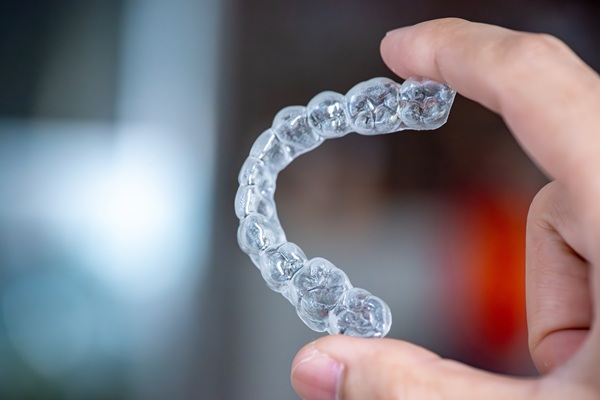
Clear aligners for teens offer a modern, discreet way to straighten their smile. While the subtle design of these trays is a benefit, a teenager's eligibility depends on their dental development and commitment to the long-term treatment process. If you are a parent exploring options to correct your child's smile, understanding the requirements for clear aligners is the first step toward a successful outcome.
How clear aligners work
Clear aligners represent a shift in how orthodontists approach tooth movement in modern teeth straightening methods. These systems use a series of custom-molded, BPA-free plastic trays that apply consistent, gentle pressure to specific teeth. Unlike the static nature of metal brackets and elastics, these trays are designed using advanced 3D modeling software to predict the tooth's movement.
During clear aligner treatment for teens, the patient will wear a set of trays for one to two weeks before progressing to the next stage. This process allows for complex movements without the discomfort associated with traditional braces. It also provides adolescent patients with a way to achieve a straight smile without the social stigma sometimes associated with highly visible orthodontic appliances.
The benefits of clear aligners for teens
For active teenagers, clear aligners offer a level of flexibility that traditional braces cannot match. Adolescents who play contact sports or play musical instruments appreciate the absence of sharp metal brackets, which reduces the risk of oral injury and interference with their favorite activities. The ability to remove the trays for special events also contributes to a higher quality of life during the treatment period.
Furthermore, it is easier for teens to maintain their oral hygiene. They can remove the trays to brush and floss normally and enjoy their favorite meals and snacks, which reduces the risk of cavities that often form around metal brackets. However, patients must remain diligent about cleaning the trays to prevent bacterial and food debris buildup.
Assessing the teen's jaw growth and development
A primary consideration for candidacy is the stage of dental development. Most orthodontists recommend that a teenager has lost all primary teeth and that the second molars have fully or partially erupted. This stage usually occurs between the ages of 12 and 16. Because a teenager's jaw is still growing, the treatment plan has to account for future skeletal changes.
Certain aligner systems include features, such as compliance indicators or "power ridges," designed specifically for the adolescent's mouth. These help guide the eruption of new teeth while maintaining the alignment of the existing ones. A comprehensive exam from an orthodontist, including digital X-rays and impressions, allows them to determine whether the dental structure is stable enough to withstand the forces of aligner therapy.
Common orthodontic issues that clear aligners for teens can treat
Not every bite complication requires metal braces. Advancements in thermoplastic materials have expanded the range of issues that clear aligners can effectively resolve. Clinical studies show that these systems are particularly adept at addressing the following concerns:
- Mild to moderate dental crowding
- Gaps between teeth
- Overbite and underbite
- Crossbite
- Open bite
- Relapse after previous orthodontic treatment
While these issues are treatable with removable trays, severe skeletal misalignments may still necessitate supplemental appliances. A thorough consultation ensures that the chosen method aligns with the teen's needs and treatment goals.
Potential limitations
Despite the versatility of this technology, clear aligners may not be the optimal choice in some cases. Complex cases involving severe tooth rotation or the need to move teeth vertically may be better served by the constant, multi-directional force of traditional braces. Additionally, patients with underlying periodontal issues or extensive dental restorations may require a different approach. An orthodontist will consider these factors against the teen's treatment goals to provide a thorough assessment of whether clear aligners will deliver the best possible result.
The importance of patient compliance
The most important factor in a teenager's candidacy for aligners is their commitment to treatment. Because clear aligners are removable, the success of the treatment rests almost entirely on the patient's consistency and maturity. They have to wear these trays for at least 20 to 22 hours per day to be effective.
Before clear aligner treatment, families have to evaluate whether a teenager is responsible enough to manage this schedule. If a patient forgets to reinsert the trays after meals or loses them during school activities, it will stall their progress, leading to longer treatment times and increased costs. Many orthodontists suggest that parents discuss these responsibilities with their children before fully committing to clear aligners for teens.
Build your child's confidence with clear aligners
Clear aligners for teens are an effective method for modern smile straightening, offering a blend of comfort and precision. If you are ready to help your teenager achieve a healthier and more confident smile, the first step is a professional evaluation to confirm their eligibility. Call our Fullerton office today to get started.
Request an appointment here: https://www.fullertonfamilyorthodontics.com or call Fullerton Orthodontics & Children's Dentistry at (714) 459-8060 for an appointment in our Fullerton office.
Check out what others are saying about our dental services on Yelp: Clear Aligners in Fullerton, CA.
Related Posts
Orthodontics can improve your appearance, but it can also improve the alignment of your teeth and jaw, which in turn, can improve your oral and systemic health. Orthodontic problems affect the health of a patient in different ways. Eliminating the root cause (usually a bad bite) can eliminate other problems that stem from the orthodontic…
Every person has unique reasons for seeking orthodontics. Some seek treatment to enhance the way that their smile looks, while others might want to address more serious issues, like not being able to speak properly due to teeth misalignment. Dentists often recommend orthodontics if they notice abnormalities like poor teeth alignment or a lack of…
Orthodontics can fix almost all teeth alignment issues. Poorly aligned teeth can ruin the way that your smile looks, and they can also leave you more vulnerable to a variety of oral issues, like tooth decay and gum disease, because it is harder to remove plaque from teeth surfaces.Improperly aligned teeth can also make simple…
Traditional metal braces have served as the foundation for orthodontics for over a century. These metal appliances are not the most aesthetically pleasing oral appliances, but getting braces is still the most effective way to correct severe orthodontic issues.Traditional braces are permanently fixed in place once attached by a dentist, and they apply constant force…