The Pros and Cons of Clear Braces
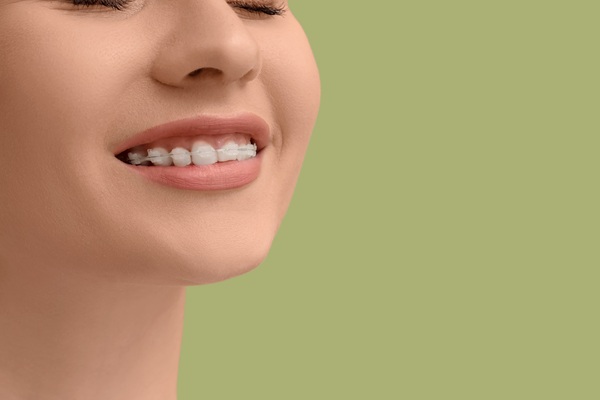
Clear braces offer a tooth-straightening option that blends with natural teeth better than traditional metal brackets, which helps many patients feel more comfortable during treatment. These appliances can correct crowding, spacing, and bite concerns while keeping a lower visual profile. Still, understanding the benefits and limitations helps families choose a plan that aligns with their goals, lifestyle, and long-term oral health.
How clear braces work
Clear braces use tooth-colored ceramic brackets paired with an archwire that guides teeth into healthier alignment over time. The brackets bond to the front surface of the teeth, and routine adjustments keep tooth movement steady and controlled. Many orthodontists recommend them for teens and adults who want a more discreet straightening experience. Clear braces can treat a wide range of cases, but the orthodontist must still confirm that the material and mechanics can correct each patient's specific condition.
Pros and cons of clear braces
A major advantage is appearance: ceramic brackets blend with natural enamel and photograph more subtly. Many patients appreciate the confidence benefit during school, work, and social activities, especially when orthodontic care lasts many months. Clear braces also provide the fixed control that aligners sometimes cannot match, which helps in cases that need strong tooth rotation or complex bite refinement. Further, considering clear braces remain fixed to the teeth, treatment does not rely on daily removal compliance the way removable aligners do.
Clear braces can also support precise finishing, which matters for even contact and balanced function. Orthodontists can fine-tune movement using wire changes, elastic wear, and bracket positioning, much like in metal systems. In addition, clear braces often work well for patients who want a discreet option but prefer a non-removable appliance.
On the flip side, ceramic brackets can chip more easily than metal brackets, making orthodontists recommend extra caution with hard or crunchy foods. Staining can also occur around brackets or on ligatures when diets include frequent coffee, tea, curry, or dark-colored sauces, especially when oral hygiene slips. Clear braces can create slightly more friction between the bracket and wire than metal braces in certain situations, which can influence how the orthodontist plans force levels and appointment intervals.
Candidacy and treatment goals
Clear braces can fit many mild, moderate, and some complex cases. The orthodontist considers the severity of crowding, bite relationships, jaw growth patterns, and enamel quality before recommending any bracket system. Some severe bite corrections may benefit more from metal braces due to durability and lower friction, especially when tooth movement needs heavier mechanics. In other cases, the orthodontist may place clear braces on upper front teeth for aesthetics and use metal braces on lower teeth for strength and efficiency.
Age also plays a role, since younger patients often have mixed dentition and changing bite dynamics. Teens and adults often choose clear braces for cosmetic reasons, but treatment still requires the same commitment to wearing elastics, maintaining hygiene, and following diet guidelines. Patients who want maximum discretion may compare clear braces with clear aligners, since aligners keep brackets off the teeth entirely. The best option depends on biology, lifestyle, and the level of correction needed, not only appearance.
Daily care, eating habits, and stain prevention
Clear braces perform best when patients maintain consistent brushing after meals and use flossing tools that clean under the wire. Ceramic brackets do not resist plaque buildup on their own, so technique and frequency matter more than bracket type. Orthodontic teams often recommend limiting sticky candy, chewing ice, and biting into hard foods, as these habits can loosen brackets and delay progress. A water rinse after darker beverages and a balanced diet can also help reduce staining concerns during clear braces treatment.
Regular checkups allow the orthodontist to monitor gum health, adjust wires, and address any irritation early. If a bracket chips or loosens, prompt repair and consistent brushing reduce the risk of extended treatment time. A small supply of orthodontic wax helps manage occasional rubbing while the mouth adapts. With strong home care and consistent visits, many patients complete clear braces treatment with excellent alignment and healthy enamel.
Choosing the right discreet orthodontic option
Clear braces can deliver reliable tooth movement with a lower-visibility look, but durability, staining potential, and cost should be given equal attention when making a decision. An orthodontic evaluation can compare clear braces, metal braces, and aligners while accounting for bite needs, habits, and hygiene. For more information or to schedule an evaluation, call our Fullerton office.
To schedule a consultation, please request an appointment on our website at https://www.fullertonfamilyorthodontics.com or call Fullerton Orthodontics & Children's Dentistry at (714) 459-8060 to arrange an appointment at our Fullerton office.
Check out what others are saying about our dental services on Yelp: Clear Braces in Fullerton, CA.
Related Posts
Invisalign® for teens is a discreet treatment that corrects mild and moderate orthodontic issues. Clear braces are an aesthetic upgrade to the metallic look of traditional braces. This quality is the same reason that adults choose Invisalign to straighten their teeth. Like image-conscious teens, adults who would otherwise forego orthodontic treatment can improve their smile…
Clear aligners for teens offer a modern, discreet way to straighten their smile. While the subtle design of these trays is a benefit, a teenager's eligibility depends on their dental development and commitment to the long-term treatment process. If you are a parent exploring options to correct your child's smile, understanding the requirements for clear…
There are several myths and misconceptions about orthodontics. This is the process of correcting teeth alignment issues using appliances like clear alignments and metal braces. Treatment with orthodontics sometimes also leads to improvements in a person’s facial structure and appearance.Misaligned teeth can ruin how a smile looks and can also increase the risk of issues…
Orthodontics takes commitment and patience on the part of the patient and their dentist. The process requires you to invest your time, mental energy, and money in the quest for an improved smile. The good news is that your investment can pay off in a big way. Your oral health can improve, your confidence can…