Orthodontist Treatment Options for Patients With Extra Teeth
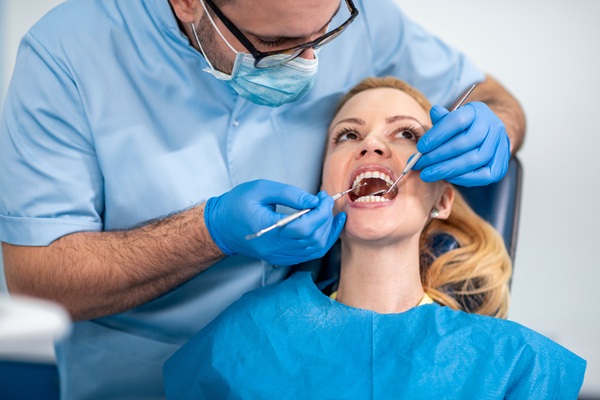
One of the dental issues that an orthodontist can help address is hyperdontia, a formal way of saying that a person has more teeth than they should. We all start with 20 baby teeth and have 32 permanent teeth by the time that we reach adulthood. According to WebMD, hyperdontia is a rare dental issue that only affects about 3% of people in the U.S. Men are more likely to develop the condition than women.
How an orthodontist addresses extra teeth
An extra tooth does not always need to be addressed, and some people opt to leave it alone if it is not causing any problems. Issues that an extra tooth can lead to include:
- Difficulties with speech
- Trouble chewing and grinding food
- Crooked teeth
- Crowded teeth
- Tooth decay
- Abnormal teeth eruption
- Poor aesthetics
Treatment options that an orthodontist might recommend for addressing an extra tooth include the following.
1. Extraction
This is the go-to approach for many dentists when it comes to fixing an extra tooth, especially when it is discovered early in a child’s life. Removing an extra tooth early on helps prevent it from disrupting the eruption of other teeth. It is often the only treatment needed when extracted early.
An extra tooth might be impacted in some cases, meaning it gets stuck in bone or gum tissues as it erupts. In such scenarios, an orthodontist has to perform a surgical extraction of the impacted tooth. An early warning sign that a child might develop an extra tooth in the future is them having more than 20 baby teeth.
Local anesthetics are administered before extracting any teeth, so the patient does not feel pain while the orthodontist tugs on their tooth. Patients will experience a bit of pain and discomfort a few hours after the extraction when the anesthetic wears off, but the pain can be managed with prescription and over-the-counter painkillers.
Extractions come with a two-week recovery period. Patients should avoid irritating the surgical site during this period to avoid dislodging the clot that forms in the extracted tooth's socket.
2. Braces
People with extra teeth often develop issues like crooked or misaligned teeth due to not having enough space on their jaw for all their teeth to erupt correctly. Orthodontic appliances like braces and clear aligners can be used to restore the alignment of the patient’s teeth once the problematic tooth has been removed. Treatment times with these devices can be anywhere from 6 to 36 months.
3. Cosmetic restorations
An extra tooth can damage surrounding teeth, and it can increase the risk of tooth decay because it is harder to clean teeth surfaces around it. After the problematic tooth is removed, the patient’s smile can be restored with cosmetic restorations like composite bonding, veneers, or crowns.
Frequently asked questions about treating extra teeth
If a patient has an extra tooth, they may be wondering what the best course of treatment is. Here are the answers to commonly asked questions about treating extra teeth.
What is an extra tooth?
An extra tooth is a supernumerary tooth that develops in addition to the normal complement of teeth. One can occur anyplace in the mouth but is most commonly found in the front. Extra teeth can cause problems with chewing and speaking and can crowd or distort the alignment of other teeth.
How are extra teeth treated?
The treatment for an extra tooth depends on its location and how it impacts the bite. Treatment may not be necessary if the tooth is not causing any issues. If it is, treatment options include:
- Extraction: This is the most common treatment for extra teeth; the tooth is removed, and the surrounding teeth are allowed to shift into the empty space
- Orthodontic treatment: This involves braces or other devices to move the teeth into their proper positions
- Crown lengthening: This procedure is done to create more space for the extra tooth so it can be extracted
What are the risks associated with treating extra teeth?
As with any medical procedure, there are risks associated with treating extra teeth. These include pain, bleeding, infection, and damage to nearby teeth. Patients should always talk to the dentist about these risks before undergoing any treatment.
Time to address your extra tooth
Our orthodontist has years of experience extracting supplementary teeth and restoring the aesthetics of smiles. Call or visit our Fullerton clinic to set up an appointment.
Request an appointment here: https://www.fullertonfamilyorthodontics.com or call Fullerton Orthodontics & Children's Dentistry at (714) 459-8060 for an appointment in our Fullerton office.
Check out what others are saying about our dental services on Yelp: Orthodontist in Fullerton, CA.
Related Posts
Consulting with a dentist about using orthodontics like braces is the first step toward getting straighter teeth. Orthodontic devices move teeth to a more optimal alignment by applying constant force on them. Treatment times vary for each patient based on their unique condition, but it is typically somewhere between 12 to 36 months.Misaligned teeth can…
Orthodontics help straighten improperly aligned teeth. Teeth alignment problems can ruin the appearance of your smile and leave your teeth more vulnerable to issues like tooth decay and gum disease.Orthodontics uses devices like braces and clear aligners to improve the alignment of teeth by gradually pushing them to better positions over time. Common teeth alignment…
There are several myths and misconceptions about orthodontics. This is the process of correcting teeth alignment issues using appliances like clear alignments and metal braces. Treatment with orthodontics sometimes also leads to improvements in a person’s facial structure and appearance.Misaligned teeth can ruin how a smile looks and can also increase the risk of issues…
Orthodontics takes commitment and patience on the part of the patient and their dentist. The process requires you to invest your time, mental energy, and money in the quest for an improved smile. The good news is that your investment can pay off in a big way. Your oral health can improve, your confidence can…