How Lingual Braces Work and What to Expect During Treatment
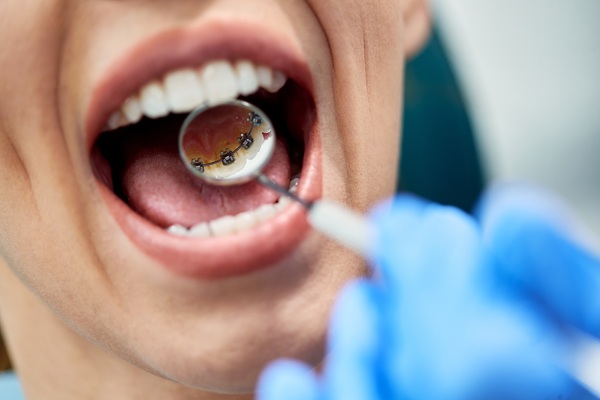
Lingual braces straighten the teeth without being noticeable while smiling. They work behind the scenes, on the back of teeth, to gradually correct misaligned bites. These braces combine advanced technology with the experience of an orthodontist to deliver reliable results. Many patients seek this treatment when aesthetics are a priority, making it one of the most innovative approaches available today.
What are lingual braces?
Lingual braces are a type of orthodontic treatment that function much like traditional braces but with one key difference: They are positioned on the back side of the teeth, facing the tongue. Their hidden placement straightens teeth without the visible brackets of standard metal braces. Since they remain hidden, lingual braces are particularly appealing to those who want to maintain a natural-looking smile during orthodontic treatment.
However, just like standard braces, an orthodontist customizes every set of lingual braces to fit the unique shape of each tooth. This customization helps improve comfort and efficiency throughout treatment. It also helps support lasting treatment results with the help of a retainer.
How lingual braces realign teeth
The principle behind lingual braces is the same as that of traditional braces. That is, they apply steady, controlled pressure to guide teeth into better alignment gradually. Small brackets are bonded to the inner surfaces of the teeth, then connected by an archwire. Over time, the consistent pressure shifts teeth into their ideal positions.
Lingual braces need to be adjusted at regular intervals to maintain progress. This is the same as standard braces. Each visit provides an opportunity to fine-tune realignment and ensure the treatment remains on schedule. Through consistent monitoring, lingual braces create predictable results while offering patients a discreet option for achieving a healthier smile.
Benefits of choosing lingual braces over other options
The main advantage of lingual braces is their discretion. It is hard for others to see them since they are placed on the backs of the teeth. They are, therefore, a preferred choice among adults and teens who want to straighten their teeth without drawing attention to the process. Many feel more comfortable knowing that their orthodontic care does not interfere with their appearance in professional, social, or educational settings.
In addition to appearance, lingual braces are effective in treating various orthodontic concerns. They can correct mild to severe crowding, spacing, misalignment, and bite issues much like standard braces. That said, there are some limitations in what they can treat. Deep overbites, for instance, are often easier to correct with metal braces.
What to expect from start to finish
The journey with lingual braces begins with a consultation. During this visit, the orthodontist evaluates the patient’s oral health, alignment needs, and suitability for lingual braces. If they are a candidate, the orthodontist will then take detailed impressions or digital scans to create the customized brackets and wires.
Once the braces are fabricated, the orthodontist carefully bonds them to the inner surfaces of the teeth. This process requires precision and expertise to ensure comfort and accuracy. After placement, the orthodontist will schedule regular follow-up appointments for adjustments.
Throughout treatment, consistent monitoring ensures that realignment continues as planned. The orthodontist makes necessary modifications to keep progress on track. Depending on the complexity of the case, treatment can take anywhere from several months to a few years. Eighteen to 36 months is the average treatment timeline.
Potential challenges and adjustments during treatment
Although lingual braces provide many advantages, there is an adjustment period. Because the brackets are placed near the tongue, some patients may experience temporary speech changes or mild tongue irritation. These effects generally improve as the patient gets used to the braces.
A soft diet may be helpful during the initial days after placement or adjustments. Foods that are easier to chew reduce discomfort and help patients adapt more quickly to the new appliances. Over time, the tongue and oral tissues adjust to the presence of braces, making these challenges less noticeable.
An orthodontist offers guidance to help manage the early stages of treatment. With proper care and support, the adjustment period becomes manageable and temporary. Most patients find that these challenges fade, leaving only the benefits of steady progress toward a healthier, more aligned smile.
Schedule a consultation for lingual braces
Lingual braces are ideal for patients who want an orthodontic treatment without visible appliances. An orthodontist will carefully manage the patient’s treatment from consultation to completion, ensuring comfort at every step. Contact us for an appointment and explore how lingual braces prioritize aesthetics, effectiveness, and smile health.
Request an appointment here: https://www.fullertonfamilyorthodontics.com or call Fullerton Orthodontics & Children's Dentistry at (714) 871-8445 for an appointment in our Fullerton office.
Check out what others are saying about our dental services on Yelp: Lingual Braces in Fullerton, CA.
Related Posts
Orthodontics typically involves wearing oral appliances like braces or clear aligners in order to straighten teeth. These devices work by constantly pushing on the wearer’s teeth, moving them to more desirable positions over time. Teeth misalignment can lead to a less aesthetically pleasing smile and a variety of oral issues, like gum disease. Getting appropriate…
Treatment with orthodontics can typically take somewhere between 12 to 36 months, and many people would be happy to shorten that length. Orthodontics is used to address issues with a person’s teeth or jaw alignments, like a crossbite, underbite, or overbite. Oral appliances, like braces and clear aligners, are often used to push misaligned teeth…
Every person has unique reasons for seeking orthodontics. Some seek treatment to enhance the way that their smile looks, while others might want to address more serious issues, like not being able to speak properly due to teeth misalignment. Dentists often recommend orthodontics if they notice abnormalities like poor teeth alignment or a lack of…
There are many options to choose from when it comes to orthodontics. These treatments aim to straighten teeth and address other issues that might affect the positioning of teeth, like jaw or facial structure abnormalities.Devices like braces and clear aligners are common orthodontics used to straighten teeth. These devices apply a constant force on the…