The Role of a Braces Specialist in Treating Unique Orthodontic Challenges
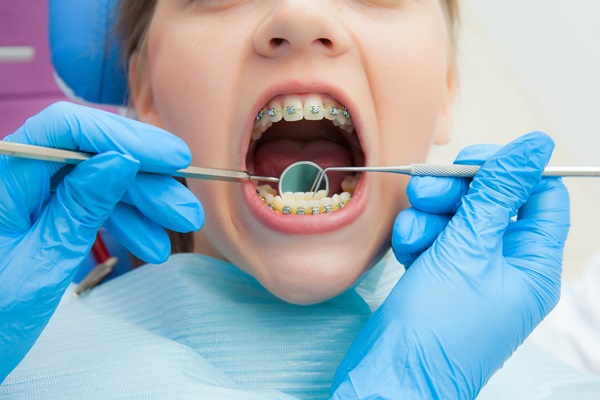
While orthodontic treatment is often associated with straightening teeth and correcting bite issues, it can come with unique challenges. A braces specialist offers professional care that goes beyond addressing basic orthodontic needs. Through their care, patients of all ages can receive the personalized treatment they need to achieve a healthy smile.
The role of a braces specialist
A braces specialist is a dental professional with advanced training in the alignment of teeth and jaws. While other dental professionals can provide basic orthodontic services, a braces specialist undergoes additional education and training, typically two to three years after dental school. During this time, they learn how to better diagnose, prevent, and treat misaligned teeth and jaw irregularities. As a result, braces specialists can address a wide range of orthodontic cases, from mild crowding to severe jaw misalignment.
Services offered by braces specialists
A braces specialist offers more than traditional metal braces. They also provide a variety of other treatment options, such as:
- Clear aligners
- Ceramic braces
- Lingual braces
- Palatal expanders
- Teeth gap bands
Additionally, they provide post-treatment care and devices like retainers and mouthguards to protect the teeth and prevent them from moving into their pre-treatment position. Each treatment plan is personalized to address the patient's unique situation, dental structure, and treatment goals.
How braces specialists identify unique orthodontic challenges
Orthodontic issues vary widely among patients. While some cases are straightforward, others present unique challenges that require additional care and expertise. Fortunately, a braces specialist is trained to recognize and treat patients in these more complicated situations, including:
Severe crowding and spacing issues
When teeth are too crowded or have large gaps between them, it can lead to problems with bite alignment, difficulty cleaning, and an increased risk of gum disease and tooth decay. This is because crowded teeth can make it more difficult for patients to thoroughly brush and floss their teeth. In severe cases, traditional braces or clear aligners may not be enough. As a result, the braces specialist will need to design a comprehensive treatment plan to gradually shift the teeth into their proper positions.
Impacted teeth
In some cases, a tooth will fail to fully erupt through the patient's gumline. This is known as an impacted tooth, which can cause pain and discomfort and lead to other dental issues. Impacted teeth often involve one's wisdom teeth (third molars) or canines (cuspids). A braces specialist can develop a treatment plan that includes orthodontic care, extractions, or, in some cases, minor oral surgery. If it is in the patient's best interest not to remove the teeth, this comprehensive care can help align the impacted teeth with the rest of the patient's smile.
Cleft lip and palate
When an individual is born with a cleft lip and palate, it can significantly affect tooth development, leading to orthodontic issues like missing teeth, crowded or crooked teeth, and collapsed dental arches. When these issues are left addressed, they will likely not have enough bone to support the development of their permanent teeth. Treating these conditions requires a multidisciplinary approach. The braces specialist will work closely with plastic surgeons, oral surgeons, and prosthodontists to create a treatment plan that improves the function and appearance of the patient's smile.
Skeletal discrepancies
Skeletal discrepancies can cause a malocclusion between the jaw's skeletal structures. They are typically divided into three different classes:
- Class I skeletal discrepancy: This is considered normal alignment, where the upper and lower jaws are relatively balanced. However, mild issues like crowding or spacing may still occur.
- Class II skeletal discrepancy: This condition refers to underdeveloped lower jaws that cause the upper jaw to appear more pronounced. Sometimes, the lower jaw sits unevenly behind the upper jaw, causing the dental midline to shift off-center and create an asymmetrical appearance.
- Class III skeletal discrepancy: Sometimes known as prognathism, the lower jaw protrudes forward, causing the lower teeth to overlap the upper teeth. Patients with class III malocclusions often have a chin that appears too pronounced.
Skeletal discrepancies do not correct themselves on their own and can cause severe orthodontic problems as the individual gets older. A braces specialist will often coordinate with other dental professionals to provide a combination of orthodontic appliances and maxillofacial surgery to reshape the jaw and align the teeth properly.
The benefits of choosing a braces specialist
Choosing a braces specialist ensures that the patient receives the highest level of care for their orthodontic needs. It ensures that the patient has a treatment plan that is personalized to their unique needs and targets their specific condition. This reduces the risk of complications and improves the long-term longevity of orthodontic treatment. Additionally, the braces specialist often provides ongoing care, which allows them to monitor the patient's progress and make necessary adjustments to their treatment plan.
Schedule an appointment at our Fullerton office
If you are looking to improve your smile and oral health, a braces specialist is an essential partner in treating unique orthodontic issues. Ready to learn more about Fullerton Orthodontics & Children's Dentistry's services? Call our Fullerton office to schedule an appointment.
Request an appointment here: https://www.fullertonfamilyorthodontics.com or call Fullerton Orthodontics & Children's Dentistry at (714) 871-8445 for an appointment in our Fullerton office.
Check out what others are saying about our services on Yelp: Braces Specialist in Fullerton, CA.
Related Posts
Treatment with orthodontics can typically take somewhere between 12 to 36 months, and many people would be happy to shorten that length. Orthodontics is used to address issues with a person’s teeth or jaw alignments, like a crossbite, underbite, or overbite. Oral appliances, like braces and clear aligners, are often used to push misaligned teeth…
Every person has unique reasons for seeking orthodontics. Some seek treatment to enhance the way that their smile looks, while others might want to address more serious issues, like not being able to speak properly due to teeth misalignment. Dentists often recommend orthodontics if they notice abnormalities like poor teeth alignment or a lack of…
There are many options to choose from when it comes to orthodontics. These treatments aim to straighten teeth and address other issues that might affect the positioning of teeth, like jaw or facial structure abnormalities.Devices like braces and clear aligners are common orthodontics used to straighten teeth. These devices apply a constant force on the…
Improving teeth alignment with orthodontics provides patients with many benefits, like improving their ability to properly clean their teeth, which protects them against common oral issues like tooth decay and gum disease. Orthodontics can also straighten the patient’s smile, improving its aesthetics. Common teeth alignment issues include:OverbitesCrossbitesUnderbitesOverjetsOral appliances, like braces and clear aligners, are often…