FAQs About Braces for Adults
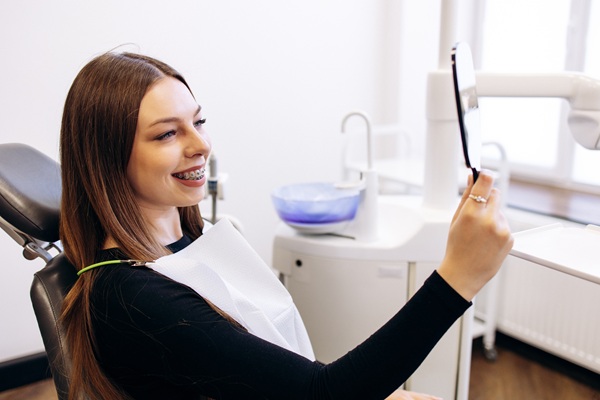
Braces for adults offer a clear path to a more aligned smile, improved oral health, and a significant boost in overall confidence. Many people assume that orthodontic care is only for teenagers, yet modern techniques enable patients of all ages to achieve a balanced bite. These frequently asked questions offer clarity on how treatment works and how it integrates into a busy lifestyle.
What is the difference between traditional braces and clear aligners?
Deciding between fixed appliances and removable clear aligners remains a primary concern for most mature patients. Traditional braces use brackets and wires to move teeth with high precision and constant force. Clear aligners, such as Invisalign®, offer a discreet alternative that allows easy removal for meals and oral hygiene. Both methods provide excellent results, yet the most effective choice depends on the specific complexity of the bite and the daily habits of the individual.
The choice often comes down to the severity of the malocclusion and the level of compliance a patient can maintain throughout the day. For example, clear aligners require the patient to wear the trays for at least 22 hours per day to ensure the teeth remain on the correct track. Conversely, fixed braces for adults work around the clock without any intervention from the patient, which often leads to more predictable timelines for complex cases.
What specific issues can braces for adults correct?
Orthodontic care addresses a wide range of functional and aesthetic concerns, including crowding, gaps, and complex bite misalignments. Many adults seek treatment because crowded teeth make daily brushing and flossing difficult, which increases the risk of gum disease. Braces also correct overbites and underbites, which can contribute to uneven tooth wear or persistent jaw pain. By aligning the teeth, the treatment creates a more functional bite, meaning the upper and lower teeth meet correctly during chewing.
In some cases, adult orthodontics serves as a prerequisite for other essential dental procedures. If a patient requires a dental implant or a bridge, the teeth must sit in the correct positions to accommodate the new restoration. Straightening the smile creates the necessary space for a general dentist to perform high-quality cosmetic or restorative work. This collaborative approach ensures that braces for adults support the overall longevity of the smile.
How can I manage comfort and daily maintenance?
Modern orthodontic technology utilizes gentler, more continuous forces that significantly reduce the level of discomfort during treatment. While some pressure may occur after an adjustment, the sensation is temporary as the soft tissues and bone adapt to the movement. Using orthodontic wax or eating soft foods for twenty-four hours usually resolves any minor irritation. Most patients find that they adapt to the presence of the brackets within the first week of treatment.
Daily hygiene requires greater diligence throughout the treatment because the hardware creates more areas where food particles can hide. Brushing after every meal and using specialized flossing tools prevent the buildup of plaque around the brackets. Consistent home care protects the enamel from staining and keeps the gum tissue healthy throughout the process. A clean mouth moves faster and feels better, making the daily effort well worth the result.
How will retention and long-term stability look?
The final stage of the orthodontic journey is retention, the most critical step in maintaining a new smile. Once the brackets are removed, the teeth naturally shift back toward their original positions as the bone stabilizes. Retainers hold the teeth in their new, correct alignment and prevent the need for future retreatment. Consistent retainer wear protects the financial and time investment in a straight smile.
Most specialists recommend long-term retainer wear to ensure the results last for a lifetime. Retainers come in several forms, including removable clear trays and permanent wires hidden behind the teeth. The orthodontist selects the best retention method based on the original alignment issues and the patient's lifestyle. Regular follow-up visits allow the team to check the fit of the retainer and confirm that the smile remains perfectly straight.
Schedule a consultation
Braces for adults offer a blend of health benefits and aesthetic improvements that fit seamlessly into modern life. By addressing alignment issues, patients reduce their risk of dental disease and improve the overall function of their bite. With a variety of discreet options available at Fullerton Orthodontics & Children's Dentistry, achieving a straight smile is more accessible than ever before. Contact our Fullerton office to schedule a consultation and learn which orthodontic treatment is most suitable for you.
Request an appointment here: https://www.fullertonfamilyorthodontics.com or call Fullerton Orthodontics & Children's Dentistry at (714) 459-8060 for an appointment in our Fullerton office.
Check out what others are saying about our services on Yelp: Read our Yelp reviews.
Related Posts
Orthodontics can be used to transform your smile by improving the alignment of your teeth. Poor alignment can ruin the aesthetics of even the whitest smile and make teeth more vulnerable to tooth decay.Issues that orthodontics can be used to treat include: Crooked teeth, crossbites, overbites, overjets, and underbites.People who would like to improve the…
Orthodontics takes commitment and patience on the part of the patient and their dentist. The process requires you to invest your time, mental energy, and money in the quest for an improved smile. The good news is that your investment can pay off in a big way. Your oral health can improve, your confidence can…
Orthodontics can get you straighter teeth over 12 to 36 months, but treatment can put your teeth at an increased risk of developing tooth decay. Your risk of gum disease also goes up during treatment. This is due to the nature of the appliances used for orthodontics.Braces come with the highest risk of tooth decay.…
Accelerated orthodontics is a faster way to straighten teeth while keeping the gums, tooth roots, and bite in a healthy place. It does not mean rushing or skipping steps. It means using a plan designed to move teeth efficiently, with fewer slowdowns along the way. The right approach depends on bite needs, oral health, and…