Accelerated Orthodontics: What It Is, and When It Is Necessary
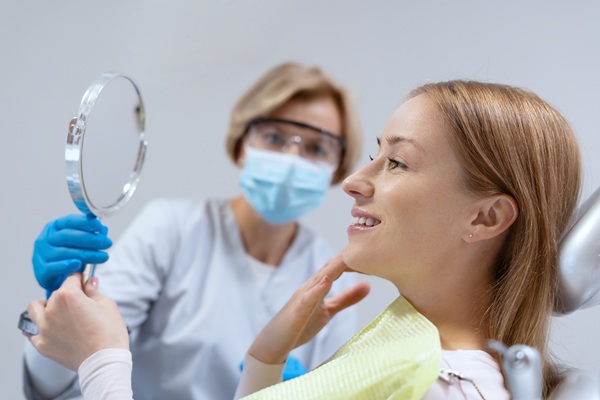
Accelerated orthodontics is a faster way to straighten teeth while keeping the gums, tooth roots, and bite in a healthy place. It does not mean rushing or skipping steps. It means using a plan designed to move teeth efficiently, with fewer slowdowns along the way. The right approach depends on bite needs, oral health, and how closely the treatment plan is followed.
Understanding accelerated orthodontics
Most orthodontic treatment takes time because teeth move through the alveolar bone gradually. That slow, steady movement helps keep teeth stable and reduces the chance of unwanted side effects. The goal of accelerated orthodontics is usually to avoid common delays, such as long gaps between adjustments or a plan that needs frequent changes. In many cases, the biggest time-saver is a well-designed roadmap from day one.
This faster timeline also depends on consistency. When patients wear aligners or elastics as directed, attend scheduled visits, and keep their teeth clean, they support smoother progress. Missed appointments, broken brackets, or inconsistent aligner wear can add months to treatment, even with the best treatment design. For many patients, speed is less about special appliances and more about steady follow-through.
Common approaches that may support faster progress
Some strategies simply help treatment stay on track. For example, digital planning for aligners or braces can map tooth movements more precisely, reducing guesswork. Monitoring tools and well-timed checkups can also help an orthodontist make small adjustments before small issues become big delays. These steps keep progress predictable and help avoid "starting over" moments.
Other options sometimes mentioned under accelerated orthodontics involve add-on methods that aim to help teeth move more quickly. These can include device-based approaches or minor procedures recommended only for select cases. Not every method fits every patient, and not every method truly shortens treatment in a meaningful way. A consultation helps sort what is realistic from what is wishful thinking.
When accelerated orthodontics becomes necessary
In many situations, a shorter timeline is a preference. In other situations, timing matters because orthodontics needs to line up with another goal. That is when accelerated orthodontics can move from a nice-to-have to an important option to consider, provided it remains safe and appropriate. The key is matching the plan to the reason for urgency.
Common reasons an orthodontist may recommend a faster, efficiency-focused approach include:
- A restorative timeline. Creating or closing space before implants, crowns, or cosmetic dentistry.
- A tight life schedule. Relocation, school milestones, or job demands that limit long-term appointments.
- A bite concern. Efficient correction to reduce uneven wear or jaw strain.
- An impacted tooth. A tooth that fails to erupt properly and is causing other teeth to shift.
- A coordination plan. Treatment involves more than one dental specialist and depends on specific milestones.
Even in these cases, "necessary" does not mean "instant." It means building a plan that respects the deadline while still protecting the bite and supporting structures. A good treatment result needs stability at the finish, not only speed at the start. A responsible approach focuses on safe progress and a strong long-term outcome.
Who may not be a good candidate for faster techniques
Some mouths need a steady pace to protect gums and enamel. If gums are inflamed, cavities need attention, or oral hygiene is inconsistent, speeding up treatment can add risk rather than value. A healthy foundation makes everything easier, including comfort during adjustments and confidence in the final result. For that reason, improving daily brushing and flossing may become the first step before any further discussion.
Consistency also matters more than most people expect. Aligners that are not worn as directed, brackets often broken by hard or sticky foods, or repeated missed visits can cancel out any time-saving benefit. In those situations, a simpler plan with realistic expectations often works better. The safest timeline is the one the patient can actually maintain.
How patients can support accelerated orthodontics
Many patients ask what makes the biggest difference in how long treatment takes. Appointment timing matters, but daily habits matter just as much. Careful brushing around brackets or attachments helps prevent problems that can pause treatment. Orthodontic-safe eating habits and protective gear for sports can also reduce breakage and avoid emergency visits. Moreover, a clear retention plan is also part of accelerated orthodontics. Teeth can drift if retainers are not worn as directed, even after great alignment. Finishing well means keeping the result stable, not just reaching the finish line quickly.
Book a consultation at our Fullerton office
A consultation is the easiest way to understand what speed is realistic for a specific smile. An orthodontist can explain whether the best approach is improved efficiency, aligner planning, braces, or an add-on method that fits the case. Are you interested in accelerated orthodontics? Contact Fullerton Orthodontics & Children's Dentistry to schedule a consultation.
Request an appointment here: https://www.fullertonfamilyorthodontics.com or call Fullerton Orthodontics & Children's Dentistry at (714) 459-8060 for an appointment in our Fullerton office.
Check out what others are saying about our services on Yelp: Accelerated Orthodontics in Fullerton, CA.
Related Posts
Orthodontics aims to straighten teeth and address a variety of issues that can develop as a result of poor teeth or jaw alignment. Issues that can be treated with orthodontic devices include spaces between teeth, crossbites, and crooked teeth.Orthodontics can also be used as preventative dentistry because it can be used to fix issues with…
There are different types of appliances to choose from when it comes to orthodontics. These appliances typically work by pushing on the wearer’s teeth, gradually improving their alignment over time. Malocclusions, or bite problems, that can be treated with oral appliances include: Crooked teeth, spaces between teeth, overbites, underbites, and crossbites.Addressing poor teeth alignment provides…
Braces for kids are important in oral development, particularly for families considering orthodontic care for their children's growing smiles. Early orthodontic treatment focuses on working with a child's natural growth rather than using rigid appliances that restrict it. These modern methods are designed to guide the teeth and jaws as they naturally change and develop.Children's…
The severity of a person’s condition determines how long their orthodontics treatment will last. On average, it takes anywhere between 12 to 36 months. Proper teeth alignment is essential for tasks that most people take for granted, like speaking, breathing, and chewing.Orthodontics helps patients avoid a variety of problems. Improperly aligned teeth put pressure and…