Phase Two Orthodontics: How Long Do Full Braces Take?
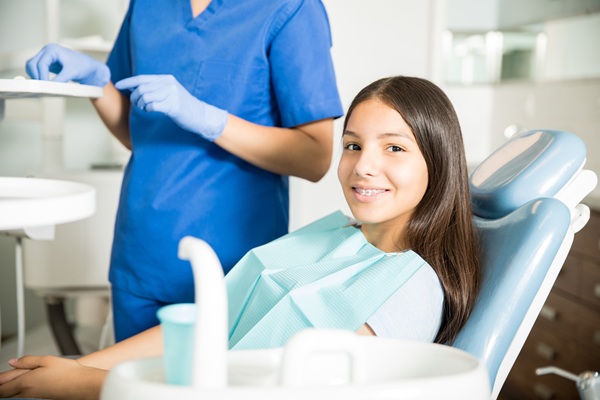
Starting phase two orthodontics often leads to one of the most common questions in an orthodontic office: How long will the full braces stay on? For many parents and teenagers, this stage feels like a major milestone because it starts the process of straightening permanent teeth after years of growth monitoring. Still, the exact length of treatment depends on several factors, mainly the patient's unique bite. Understanding what affects treatment time can help families feel more prepared for the rest of the process.
What families should know about phase two orthodontics
Phase two orthodontics is the stage of treatment that typically begins once most or all of the permanent teeth arrive. This phase follows earlier care called phase one orthodontics, which addressed jaw growth or major spacing issues during childhood. Then, once the permanent teeth are in place, an orthodontist uses full braces to complete any necessary detail work. They straighten every tooth, refining how the top and bottom teeth fit together. The goal is to create a functional, balanced smile that lasts for many years.
Not every patient needs phased orthodontic treatment. Many smiles develop in a way that allows an orthodontist to wait until most or all of the permanent teeth have come in before starting orthodontic care. However, phase one orthodontics can be helpful for patients with more significant bite problems, jaw imbalances, or excessive crowding. By addressing those concerns at the right stage of growth, the orthodontist can create a healthier foundation, making full braces more efficient and effective.
The typical timeline for full braces in phase two
On average, full braces during phase two orthodontics stay on for about 18 to 24 months. This timeline gives the teeth enough time to move carefully through the bone. It also allows the bite to settle into a more stable position.
It is possible to finish treatment faster, especially when phase one was more effective than expected. However, keep in mind that orthodontic treatment works differently for every patient. Teeth respond to pressure at different rates. Each patient also begins their care with a different set of needs. A well-planned timeline focuses on reaching the right result rather than rushing through important steps.
Why moving teeth takes time
Moving teeth is a gradual process. The bone and the gums need time to respond safely to the pressure of the braces. Additionally, controlled movement protects the roots and the supporting structures of the mouth. It is also more comfortable for the patient.
This is another reason why orthodontists plan treatment in stages. They do not try to fix every issue at the same time. Early in the process, the focus remains on making room for crowded teeth and creating basic alignment. Later visits shift toward fixing the bite and making tiny adjustments to the position of each tooth. Each stage builds on the one before it. This careful sequence is what makes phase two orthodontics so effective.
When treatment finishes faster or slower than expected
While many patients wear braces for 18 to 24 months, not every case follows that exact range. When the teeth respond well, and appointments stay on track, the orthodontist might remove the braces sooner than the original estimate. They will first make sure the teeth and the bite are ready before ending the care. Finishing early is only worth it when the result is stable. Otherwise, the teeth are more likely to shift back to their original positions.
On the other hand, some smiles need more detailed work, which adds time to the plan. Teeth that are severely turned or part of a complicated bite problem need a longer window for safe movement. This does not mean the treatment is failing. It simply means the orthodontist is giving the teeth the time they need to move correctly.
How families can help keep treatment on schedule
Patients and parents can do a lot to help phase two orthodontics stay on track. A few helpful habits include:
- Attend every adjustment visit on the scheduled day
- Wear elastics or other tools exactly as directed
- Avoid hard or sticky foods that can break the brackets and wires
- Clean the teeth and the braces thoroughly every single day
These habits may seem small, but they make a real difference. Small setbacks can add up over months. Consistency helps phase two orthodontics progress without unnecessary interruptions.
Learn more about phased orthodontics
Phase one and two orthodontics can help patients with complex bite problems achieve a picture-perfect smile. To learn more, contact Fullerton Orthodontics & Children's Dentistry today. We can help you explore your child's options during an appointment.
Request an appointment here: https://www.fullertonfamilyorthodontics.com or call Fullerton Orthodontics & Children's Dentistry at (714) 871-8445 for an appointment in our Fullerton office.
Check out what others are saying about our services on Yelp: Read our Yelp reviews.
Related Posts
Orthodontics takes commitment and patience on the part of the patient and their dentist. The process requires you to invest your time, mental energy, and money in the quest for an improved smile. The good news is that your investment can pay off in a big way. Your oral health can improve, your confidence can…
Orthodontics typically involves wearing oral appliances like braces or clear aligners in order to straighten teeth. These devices work by constantly pushing on the wearer’s teeth, moving them to more desirable positions over time. Teeth misalignment can lead to a less aesthetically pleasing smile and a variety of oral issues, like gum disease. Getting appropriate…
Treatment with orthodontics can typically take somewhere between 12 to 36 months, and many people would be happy to shorten that length. Orthodontics is used to address issues with a person’s teeth or jaw alignments, like a crossbite, underbite, or overbite. Oral appliances, like braces and clear aligners, are often used to push misaligned teeth…
Every person has unique reasons for seeking orthodontics. Some seek treatment to enhance the way that their smile looks, while others might want to address more serious issues, like not being able to speak properly due to teeth misalignment. Dentists often recommend orthodontics if they notice abnormalities like poor teeth alignment or a lack of…