How Braces for Kids Can Accommodate Growing Smiles
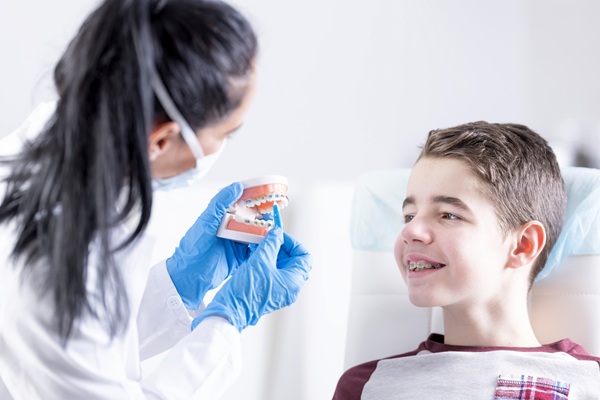
Braces for kids are important in oral development, particularly for families considering orthodontic care for their children's growing smiles. Early orthodontic treatment focuses on working with a child's natural growth rather than using rigid appliances that restrict it. These modern methods are designed to guide the teeth and jaws as they naturally change and develop.
The importance of growth and dental development
Children's mouths are continuously evolving. As their primary teeth give way to permanent teeth, their jaws expand and facial structures mature over time. Early orthodontic planning takes these changes into account, recognizing that timing is just as important as the chosen approach. During growth phases, dental professionals can address alignment issues as they appear, reducing the severity of future concerns and supporting healthier outcomes.
Orthodontists monitor spacing, bite patterns, and jaw relationships during routine evaluations. When irregularities in the child's growth and development arise, early intervention may help guide development rather than correct moderate-to-severe misalignment issues in adolescence and adulthood. This growth-focused approach allows the chosen orthodontic treatment to be more efficient and often less invasive.
Early orthodontic evaluation: a preventive way to protect children's smiles
Professional organizations like the American Association of Orthodontists recommend orthodontic evaluations during the early school years, typically by the time the child is 7. At this stage, enough of their permanent teeth have emerged to identify potential issues. Meanwhile, their growth remains active enough to influence change. While early assessments do not always lead to immediate treatment, they provide valuable insight into the child's current and future needs.
When treatment is recommended, braces for kids can be introduced in phases. This phased approach allows orthodontic appliances to adapt as the mouth grows. This ensures that the treatment remains aligned with developmental milestones rather than working against them.
When children can begin orthodontic treatment
The best age for braces depends on each kid's unique needs. Some children may need braces as early as 8 or 9 years old to address problems such as premature loss of baby teeth or issues with jaw growth and development. For others, it is better to wait until all of their permanent teeth have come in, typically around 11 to 13 years old.
Types of braces designed for growing smiles
Modern orthodontics offers several options specifically suited for children. Some of the most common methods include:
Traditional metal braces
Traditional metal braces feature metal brackets bonded to each tooth, connected by a metal wire. They are effective for a wide range of moderate to severe orthodontic issues. Additionally, they are now more comfortable than ever, as they use smaller brackets, lighter wires, and improved materials that allow adjustments respond to the child's growth. They can also personalize the elastics with their favorite color to better fit their style.
Ceramic braces
Ceramic braces are similar to traditional braces. However, they use tooth-colored brackets instead of metal brackets, blending them more naturally with the teeth. They provide effective control while accommodating changes in the child's alignment as the child grows. Ceramic braces are an ideal option for kids who are self-conscious about the visible appearance of braces.
Self-litigating braces
Self-ligating braces use a special clip mechanism to hold the wire in place, eliminating the need for traditional elastic ties. This innovative design can result in shorter adjustment appointments, as the clips allow the orthodontist to make easier adjustments. Additionally, kids may experience less discomfort than with traditional braces. There is less pressure applied to the teeth during realignment. Additionally, this system improves overall treatment efficiency, making it an appealing choice for children undergoing orthodontic care.
Lingual braces
Lingual braces are bonded to the backside of the teeth, making them completely invisible from the front. However, they can be more expensive and require more adjustments. The placement on the back of the teeth may also cause temporary speech impediments as the child adjusts to their orthodontic treatment.
How treatment adjusts over time
One of the most significant advantages of braces for kids is adaptability. Orthodontic treatment is not static. Regular checkups allow orthodontists to adjust wires, bands, or appliances as teeth erupt and jaws grow. These adjustments ensure consistent progress while minimizing discomfort and complications.
It is important to note that growth spurts can impact alignment. Fortunately, orthodontists expect these changes and can modify treatment plans accordingly. This flexibility helps maintain steady improvement without forcing the child's teeth into positions that may not suit future development.
Schedule a consultation at our Fullerton office
When considering orthodontic options for your child, braces for kids offer solutions that evolve with their natural growth rather than resist it. With professional guidance and consistent care from a trusted orthodontist, you can feel confident that your child's growing smile is supported every step of the treatment process. Call our Fullerton today to learn more about the braces we offer or to schedule a consultation.
Request an appointment here: https://www.fullertonfamilyorthodontics.com or call Fullerton Orthodontics & Children's Dentistry at (714) 871-8445 for an appointment in our Fullerton office.
Check out what others are saying about our services on Yelp: Read our Yelp reviews.
Related Posts
Orthodontics typically involves wearing oral appliances like braces or clear aligners in order to straighten teeth. These devices work by constantly pushing on the wearer’s teeth, moving them to more desirable positions over time. Teeth misalignment can lead to a less aesthetically pleasing smile and a variety of oral issues, like gum disease. Getting appropriate…
Treatment with orthodontics can typically take somewhere between 12 to 36 months, and many people would be happy to shorten that length. Orthodontics is used to address issues with a person’s teeth or jaw alignments, like a crossbite, underbite, or overbite. Oral appliances, like braces and clear aligners, are often used to push misaligned teeth…
Every person has unique reasons for seeking orthodontics. Some seek treatment to enhance the way that their smile looks, while others might want to address more serious issues, like not being able to speak properly due to teeth misalignment. Dentists often recommend orthodontics if they notice abnormalities like poor teeth alignment or a lack of…
There are many options to choose from when it comes to orthodontics. These treatments aim to straighten teeth and address other issues that might affect the positioning of teeth, like jaw or facial structure abnormalities.Devices like braces and clear aligners are common orthodontics used to straighten teeth. These devices apply a constant force on the…