Who is a Candidate For Surgical Orthodontics?
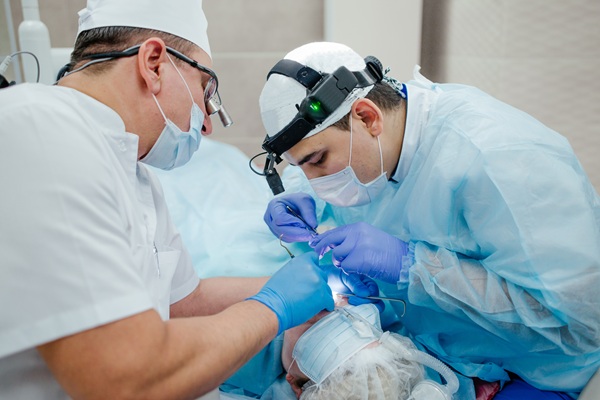
Wondering if surgical orthodontics is right for you? Suppose you are interested in learning more about enhancing the appearance of your smile, correcting misalignment issues, treating other oral health issues, and more. In that case, surgical orthodontics may be for you. Surgical orthodontics is an excellent choice for patients who need braces but want less of the typical treatment time that comes with traditional braces. In some cases, surgical procedures can shorten the overall treatment time.
Since each patient is unique, it is crucial to find the treatment that best meets their needs while enhancing their oral health and smile. Here are a few of the conditions that can benefit from surgical orthodontics treatment.
Overbite, underbite, or crossbite
If your teeth or jaw places you at a higher risk of tooth decay and gum disease, then orthodontics may be the right treatment to help address various oral health issues. These bite issues can make the simple act of chewing food or even speaking more difficult. Surgical orthodontics can help correct bite issues through various procedures and follow-up care.
Misalignment of the teeth or jaw
Patients should also consider surgical orthodontic treatment if they experience discomfort when eating, speaking, or brushing their teeth. Even though this discomfort is most likely a symptom of a pre-existing oral health issue, it can worsen the situation or cause future issues. By addressing misalignment with the proper treatment, patients can relieve current symptoms and learn to prevent future oral health problems.
Large gaps between the teeth
Surgical orthodontics is an especially effective treatment option for patients with teeth too large for veneers or dental crowns. Gaps between teeth can make it difficult to close the mouth, which can cause excessive wear and tear on the teeth, leading to tooth damage and decay. Surgical orthodontics can help by closing these gaps and reducing the risk of further oral health problems.
Crowded teeth
Crowded teeth tend to overlap each other, making it difficult to reach all surfaces of the teeth. In addition, these areas can build up plaque over time, leading to infection and other issues. Treating crowded teeth with orthodontic surgery makes it possible to address issues such as tooth decay, gum disease, loss of enamel, and even jaw pain. Surgery can adjust the position of the teeth, remove excess teeth, and more to help the mouth function without issue.
Jaw is out of alignment
When a jaw is out of alignment, the patient can struggle with difficulty chewing food, challenges speaking, soreness in or around the jaw, oral health issues, and more. Thankfully, orthodontic surgery can help restore it to full function. The most common issues with the jaws are temporomandibular joint disorder (TMJ) and trigeminal neuralgia, which cause pain in your jaw joints, face, ears, and neck. Surgery can be a great option for patients suffering from TMJD and trigeminal neuralgia.
Benefits of surgical orthodontics
Orthodontic appliances can fix many jaw problems, but sometimes surgery delivers better results. Our team may determine that braces alone cannot shift the jaw into the correct position. Orthodontic surgery can make significant changes to the shape and movement of the jaw.
Surgery also helps repair congenital disabilities. If a child is born with dental problems, surgery is a possible option to restore healthy mouth function. Surgery also may resolve issues linked to sleep apnea. In some cases, jaw surgery can treat or prevent a life-threatening medical condition.
After surgery, patients eat and breathe with greater comfort. They usually experience less jaw pain. Surgery also reduces the risks of other dental problems, such as tooth decay. Some patients feel that surgery enhances their appearance, too. Jaw surgery can adjust the chin and bring facial features into balance. Many patients feel more confident after their surgery.
Get a consultation today
Surgery may seem intimidating, but surgical orthodontics offers patients a more definitive treatment for the long haul. Our team will ensure you are safe and comfortable when undergoing treatment and address any concerns you may have. If you would like to learn more about this procedure or what it will entail, call our office at (714) 871-8445, and we can schedule a preliminary consultation appointment.
Request an appointment here: https://www.fullertonfamilyorthodontics.com or call Fullerton Orthodontics & Children's Dentistry at (714) 871-8445 for an appointment in our Fullerton office.
Check out what others are saying about our dental services on Yelp: Oral Surgery in Fullerton, CA.
Related Posts
Orthodontics takes commitment and patience on the part of the patient and their dentist. The process requires you to invest your time, mental energy, and money in the quest for an improved smile. The good news is that your investment can pay off in a big way. Your oral health can improve, your confidence can…
Orthodontics typically involves wearing oral appliances like braces or clear aligners in order to straighten teeth. These devices work by constantly pushing on the wearer’s teeth, moving them to more desirable positions over time. Teeth misalignment can lead to a less aesthetically pleasing smile and a variety of oral issues, like gum disease. Getting appropriate…
Treatment with orthodontics can typically take somewhere between 12 to 36 months, and many people would be happy to shorten that length. Orthodontics is used to address issues with a person’s teeth or jaw alignments, like a crossbite, underbite, or overbite. Oral appliances, like braces and clear aligners, are often used to push misaligned teeth…
Every person has unique reasons for seeking orthodontics. Some seek treatment to enhance the way that their smile looks, while others might want to address more serious issues, like not being able to speak properly due to teeth misalignment. Dentists often recommend orthodontics if they notice abnormalities like poor teeth alignment or a lack of…